
|
Still navigating pain in my rotator cuff from a fray last year, I decided to try acupuncture.
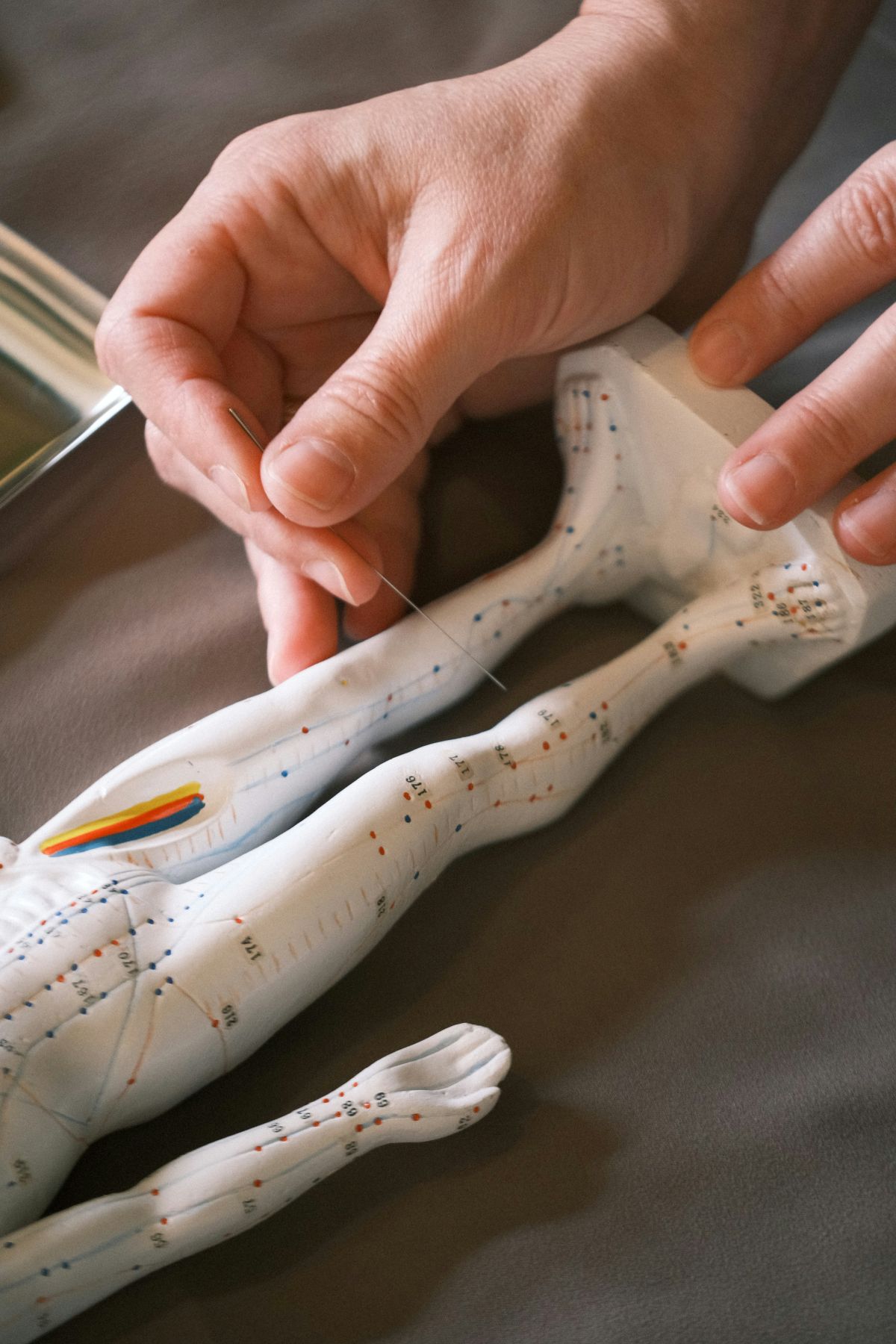
As my new acupuncturist started inserting needles into my shoulder, I flippantly joked, “It’s a little like hocus pocus, isn’t it? I have to really believe these needles will work.” She looked at me piercingly, “I don’t need you to believe. I need you not to disbelieve. Just suspend your disbelief and be open to what might happen.” With needles standing in formation across my upper back, I couldn’t do anything but reflect on her words of wisdom. How might all of our interactions benefit from a suspension of disbelief?
What’s the difference? It takes a concerted effort to disbelieve, dislike, disrespect, and disagree. When we intentionally halt our disbelieving, disliking, disrespecting, and disagreeing actions, we stop judging and even sabotaging an interaction, a relationship or a process. In the vacuum left by judgment, possibility thrives. The possibility that we might believe, like, respect, and agree. The possibility that we might connect, learn, grow, and thrive. The possibility of being surprised and delighted! Suspending disbelief is undoubtedly an act of courage, for we must step into the unknown determined to be curious – curious to know someone, curious to discover another perspective, curious to experience the world differently, curious to learn something new. To suspend disbelief…
It is cognitively discordant to be curious and judgmental simultaneously, making curiosity the cure for the common conclusion. © 2025. Ann Tardy and MentorLead. www.mentorlead.com. All Rights Reserved. |